
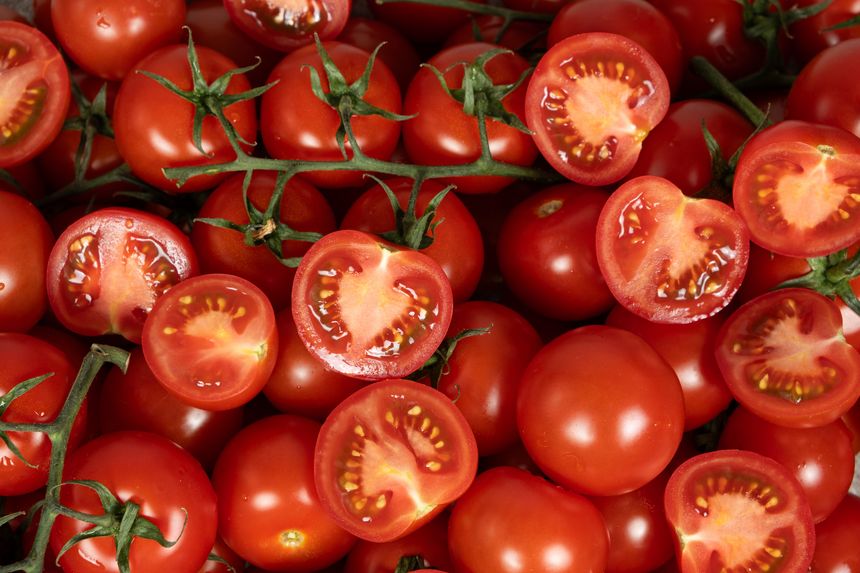
The UK's regulatory framework for precision-bred organisms has reached another important milestone with the approval of a marketing notice for the "Sunshine" tomato developed at the John Innes Centre. The tomato has been gene edited to accumulate elevated levels of provitamin D3, with the aim of providing a new dietary source of vitamin D.
The approval is notable not only because it brings the Sunshine tomato a step closer to commercialisation, but also because it is believed to be the first precision-bred tomato to receive marketing approval under England's post-Brexit regulatory regime for precision-bred organisms. The approval follows the framework established by the Genetic Technology (Precision Breeding) Act 2023 and subsequent regulations, which created a route to market for organisms containing genetic changes that could, in principle, have arisen through traditional breeding processes.
The published marketing notice describes a CRISPR-mediated edit to a tomato gene involved in sterol metabolism, resulting in increased accumulation of provitamin D3 without the introduction of foreign DNA in the final plant.
The Sunshine tomato also follows another high-profile tomato innovation from the John Innes Centre: the anthocyanin-rich purple tomato. Developed to accumulate elevated levels of health-promoting anthocyanins, the purple tomato became one of the most prominent examples of the commercial potential of plant biotechnology, progressing from academic research to commercial launch in the United States. Together, the purple and Sunshine tomatoes illustrate how modern breeding and gene-editing technologies are increasingly being used not simply to improve agronomic traits, but also to enhance the nutritional profile of foods and address broader public-health challenges.
The Sunshine tomato is one of a growing number of crops progressing through England's new precision-breeding regulatory pathway. Earlier approvals have included a gene-edited forage barley developed by Rothamsted Research and a disease-resistant potato developed by The Sainsbury Laboratory, demonstrating the breadth of traits now being targeted through precision breeding, from nutritional enhancement to agricultural sustainability and disease resistance.
For innovators in the agritech sector, the approval demonstrates that the UK's precision-breeding framework is moving from legislation to practical implementation. As further products progress through the regulatory pathway, robust intellectual property protection and a clear regulatory strategy will be increasingly important in supporting investment and commercialisation of gene-edited crops.
Marks & Clerk has been closely involved in protecting innovations in the precision-breeding sector, including handling prosecution of patent applications relating to this technology.
Subscribe to receive more articles like this here.

/Passle/6130aaa9400fb30e400b709a/SearchServiceImages/2026-10-13-13-25-19-174-6ace313f215a8c2ff54838bb.jpg)
/Passle/6130aaa9400fb30e400b709a/SearchServiceImages/2026-10-13-10-36-01-063-6ace09918209d8ca98299005.jpg)
/Passle/6130aaa9400fb30e400b709a/MediaLibrary/Images/2026-10-08-08-39-07-272-6ac756abfb51287ac227462a.png)