Before heading to ADIPEC a few weeks ago, I wrote about how pressures, both fiscal and regulatory, in the North Sea are driving consolidation. The UK energy supply chain appears to be densifying, with businesses looking at new technologies for efficiency in such a challenging market. Consolidation has continued with the recent news that NEO NEXT+ is acquiring EnQuest’s UK North Sea assets in a deal worth up to £729 million. In a mature basin where new exploration is restricted, value has shifted decisively from simply holding acreage to deploying advanced technology, including subsea tie-backs, digital twins, and AI-driven predictive maintenance, across consolidated portfolios.
Having now attended ADIPEC and had time to process the many conversations and presentations, there are clear parallels between the UK and the MENA regions, albeit driven by very different pressures. While the UK is adapting to domestic policy and basin maturity, MENA operators are focused intensely on building supply chain resilience against acute geopolitical volatility and regional conflict. Yet the underlying mechanism is identical: resilience does not happen in a vacuum. In both regions, surviving and thriving under pressure requires concentrated capital and strategic ambition to fund rapid adaptation and technological innovation.
Whether you are extending the life of a North Sea platform or stress-testing a Middle Eastern energy corridor against disruption, technology is the ultimate multiplier. However, rapid technology adoption at scale carries significant commercial risk if the underlying legal frameworks lag behind. As a patent attorney, I see firsthand that when operators rush to integrate AI tools, share proprietary subsurface data, or deploy novel engineering solutions across merged assets, strategic protection of their technology, clear ownership of IP, and airtight commercial contracts are essential. Without them, the technologies meant to secure competitive advantage and operational resilience can become entangled in licensing disputes or freedom-to-operate roadblocks. Further, businesses may not obtain the commercial benefits of their innovation.
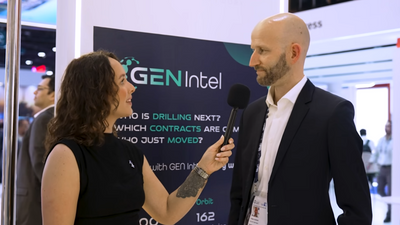
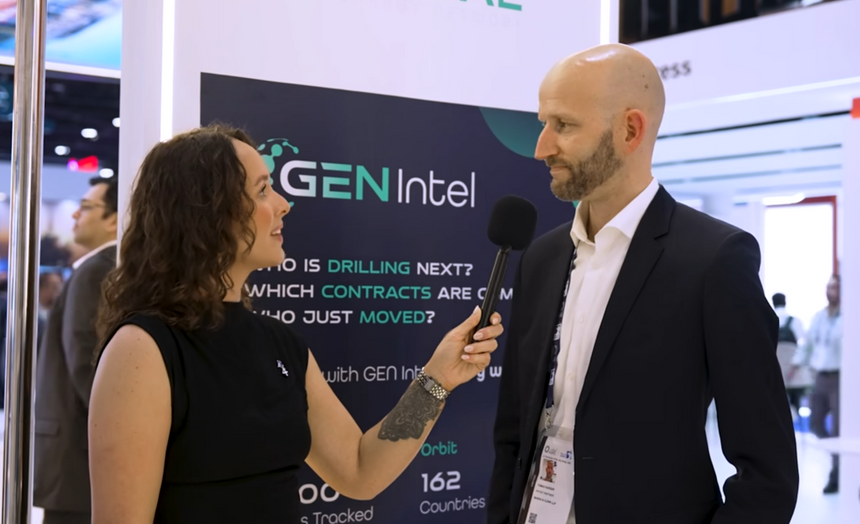
I explored many of these themes with the Global Energy Network during the conference, discussing how innovation continues to reshape global energy markets. The conversation built on an earlier, more in-depth discussion I had with E-FWD ahead of the event, where we explored these topics in greater detail. Watch the conference interview here, or view the full E-FWD discussion here.
Subscribe to receive more articles like this here.