
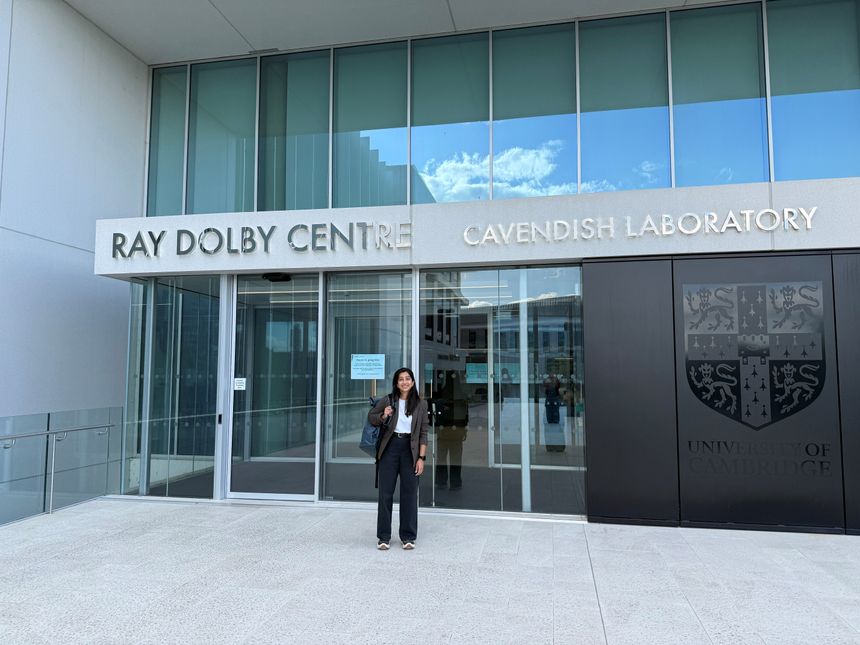
This month, the University of Cambridge held its annual Physics at Work Exhibition. Open to 14–16-year-old students, the event aims to highlight the different careers studying Physics can lead to.
It was wonderful to be back at the Cavendish Laboratory to talk about careers stemming from a degree in Physics, this time with my patent attorney hat on. Having never imagined studying Physics at University, and having selected undergraduate degree options that I thought would result in me graduating with a degree in Chemistry, and enabling me to learn a bit of Physics on the side, it was good to reflect on my journey and share the things that gave me the confidence to major in Physics and also pursue a PhD in the subject. Events such as these, where I saw others talk about their own career journey and the choices that led them there, have helped me tremendously in the past. With this in mind, I hoped to be able to give something back to the students.
Translating my background into a career in intellectual property was not something I was aware I could do till around two years ago, when I heard my now colleague, Martin Bell, give a talk at a careers symposium at my former workplace. The idea of being able to apply the knowledge and skills I have gained from studying quantum matter, to the commercial world, and to be able to protect and further innovation, was something that appealed to me immediately.
The students, being of school age and getting ready to select their A-levels, were not really sure what a patent attorney’s use in this world is. An interactive example, with the students taking the role of an inventor, an investor and an infringer, really got them to understand how and what it is we try and do on a daily basis. The students asked some wonderful questions, with my favourite being whether Newton’s third law was an example of something that was patented. Questions that drove to the heart of what may be considered an invention under current law.
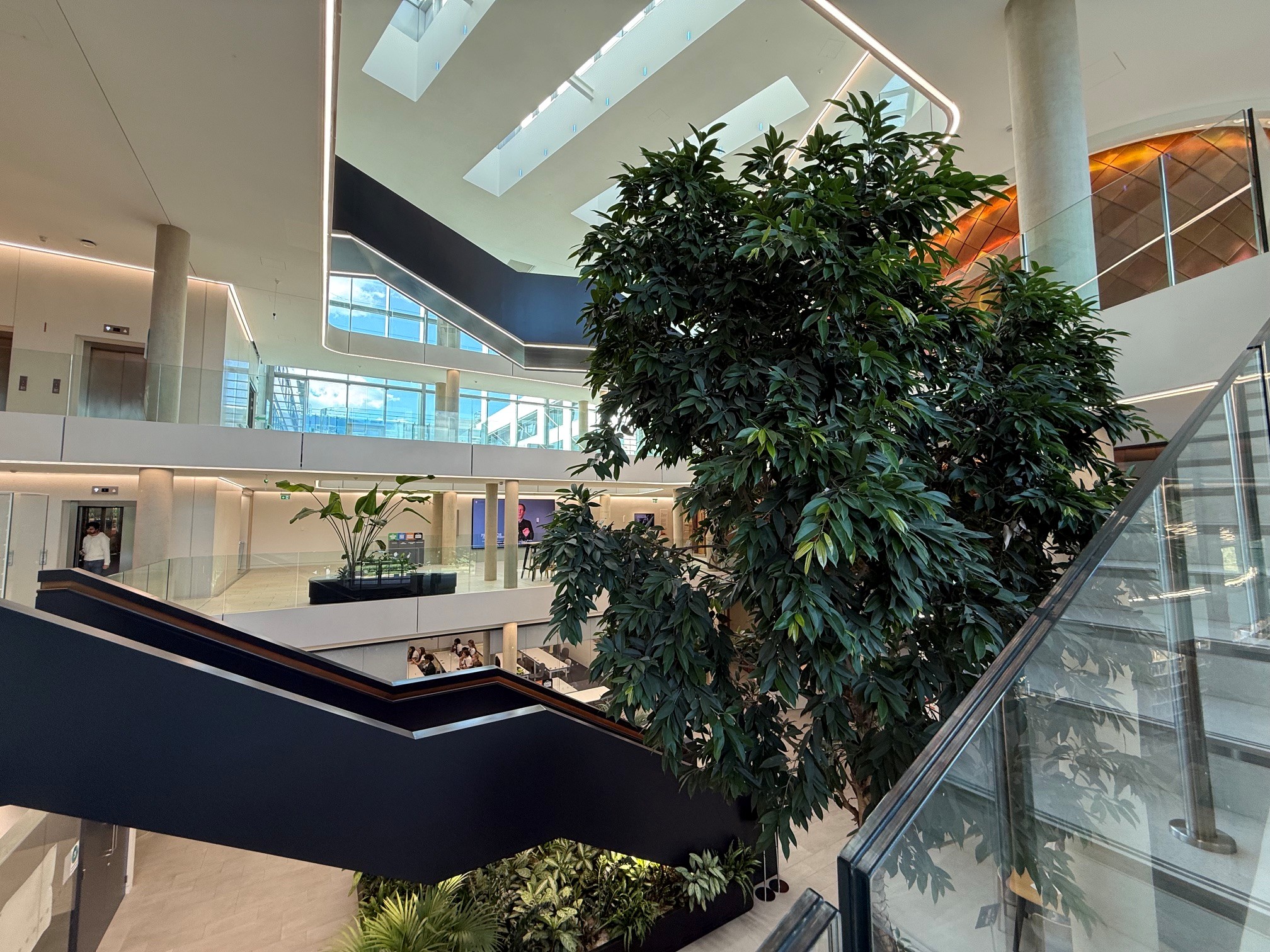
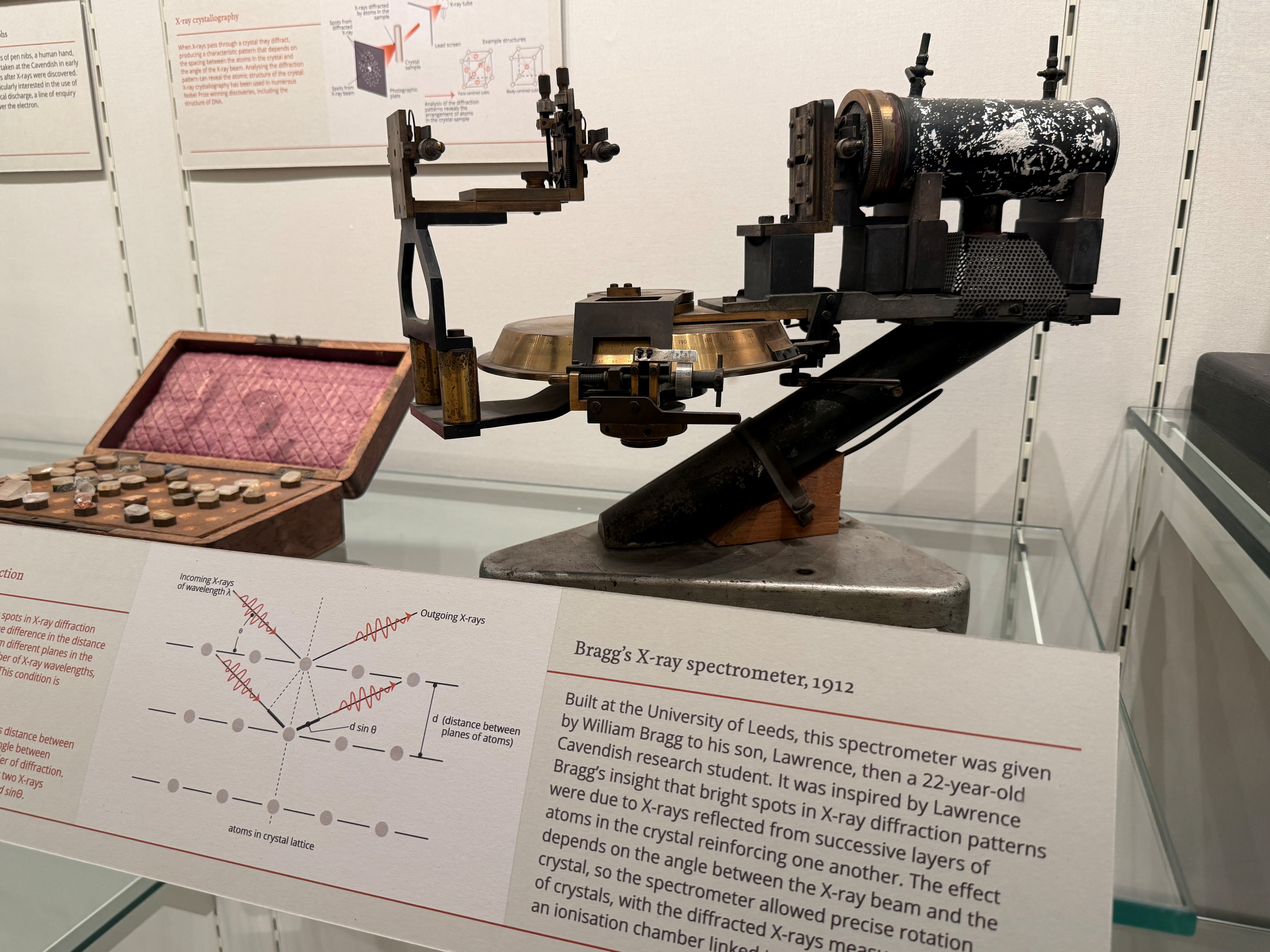
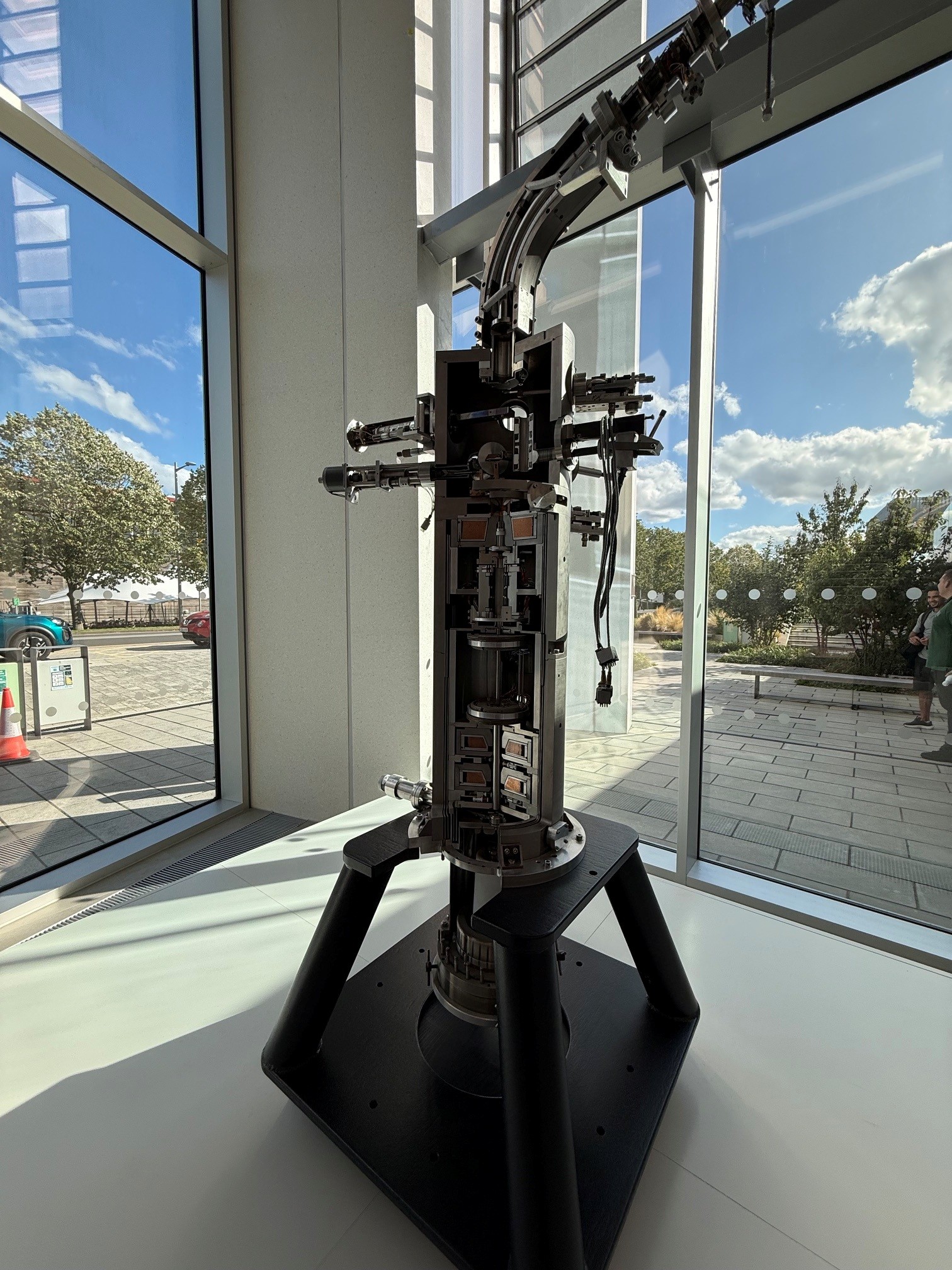
Getting the opportunity to explore the beautiful new Ray Dolby Centre and the Cavendish Museum was a real bonus. As a condensed matter physicist, it was brilliant to see the crystals that Lawrence Bragg studied using diffraction, and the diffractometer his father William gifted to him. You can also see Pippard’s model of the Fermi surface of Copper!
A big thank you to the University of Cambridge and the Cavendish Laboratory for giving so many students and schools the opportunity to learn about the wide variety of careers that may stem from Physics, and to encourage the next generation of scientists.
Subscribe to receive more articles like this here.

/Passle/6130aaa9400fb30e400b709a/SearchServiceImages/2026-10-16-11-15-18-770-6ad20746ee7a454c2dbe1b59.jpg)
/Passle/6130aaa9400fb30e400b709a/SearchServiceImages/2026-10-19-09-02-38-478-6ad5dcaee0594699cc5db2d7.jpg)
/Passle/6130aaa9400fb30e400b709a/SearchServiceImages/2026-10-16-13-28-09-937-6ad22669de6b66bfe10f1be3.jpg)