
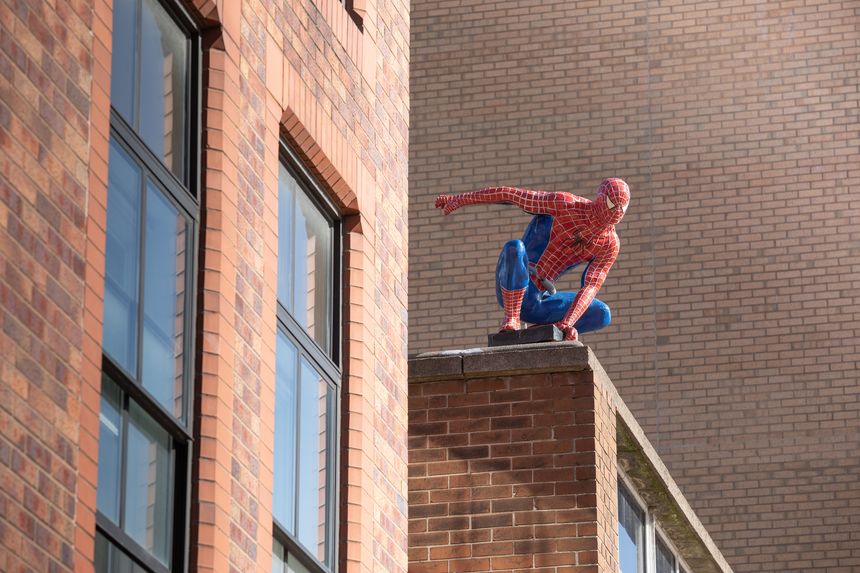
“Brand New Day” was (in my humble opinion as a longtime Marvel fan) a solid addition to the cinematic universe. It is the fourth standalone Spider-Man movie featuring Tom Holland and follows stints by both Andrew Garfield and Tobey Maguire as the titular superhero, as well as the two animated Spider-Verse films. Since 2002, there have been 11 standalone Spider-Man movies, which is more than any other individual Marvel character.
As many fellow Marvel fans will know, the film and television rights to Spider-Man were acquired by Sony from Marvel back in 1998. A document leaked in 2014 following the hack of Sony Pictures Entertainment explains the reason why there have been so many iterations of Spider-Man over the years.
The leaked document revealed that Sony must keep producing Spider-Man movies or television shows at regular intervals in order to retain the IP rights to the character. There are specific timeframes within which Sony must commence production and release new Spider-Man content in order to retain these rights and when developing any new movies, Sony must consult with creative executives designated by Marvel in relation to various aspects of the film, such as the script, casting, director, producer, score composer, costume design and so on.
The deal isn't just one-sided. Once Sony has notified Marvel of the villain(s) appearing in an upcoming Spider-Man movie, Marvel largely cannot feature that villain in their content from the date of receipt of the notification until 30 days after the home release of the relevant Spider-Man movie, allowing Sony an exclusivity window in respect of the relevant character(s).
There have obviously been subsequent agreements between Sony and Marvel that have allowed Tom Holland's Spider-Man to appear in various Marvel movies, and that have also allowed Marvel's Kevin Feige to produce the two most recent standalone Spider-Man movies.
It is also not clear whether the parties are still bound by the specific terms of the agreement leaked in 2014 that commits Sony to continue releasing Spider-Man content in order to retain the rights. This point is particularly interesting at the moment, as it has been confirmed that Sony currently has no new movies in development in its Spider-Man universe.
Regardless of whether the leaked terms are still in force, and how the Sony-Marvel agreement may have changed over the years, the fact that an agreement on these terms was in place for a number of years highlights the strength and commercial value of IP rights and licensing. Despite Marvel's weaker financial position back in 1998 when the sale of these rights was agreed, they were still able to dictate strict terms that essentially required Sony to “use it or lose it”.
Performance obligations in an IP license can be particularly powerful, and this case shows just how valuable IP rights and strategic licensing can be.
Subscribe to receive more articles like this here.

/Passle/6130aaa9400fb30e400b709a/SearchServiceImages/2026-10-23-08-18-54-691-6adb186ebd29a7ce1f63fc00.jpg)
/Passle/6130aaa9400fb30e400b709a/MediaLibrary/Images/2026-10-21-11-59-19-999-6ad8a9179207ce3b4702378c.png)
/Passle/6130aaa9400fb30e400b709a/SearchServiceImages/2026-10-16-11-15-18-770-6ad20746ee7a454c2dbe1b59.jpg)