
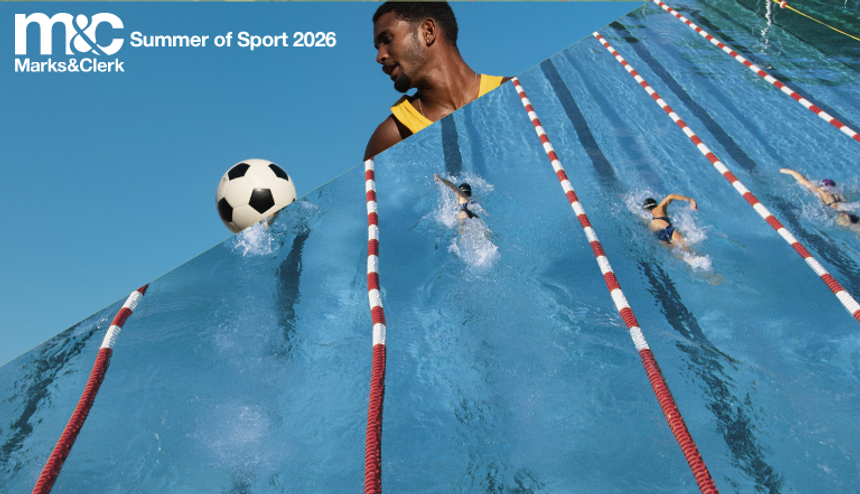
As Scotland looks ahead to another season of sporting events, businesses across the country will undoubtedly be considering how they can make the most of the opportunities that sport presents. From grassroots football tournaments and local athletics meetings to national championships and international events such as the Commonwealth Games, sport offers something that few forms of advertising can match: the ability to create a genuine emotional connection with an audience.
That is why sporting sponsorship remains such an attractive marketing tool. Businesses see packed stadiums, engaged communities and loyal supporters and recognise the potential to increase awareness, attract customers and generate revenue. However, whether the investment is in a sports sponsorship, a social media campaign, a billboard advertisement or a wider marketing initiative, the same principle applies: Before you invest in promoting your brand, you should ensure that your brand is properly protected.
Sponsorship and advertising should be viewed as accelerators rather than a foundation of brand-building. The foundations come first: selecting a brand that can be used legally, securing the appropriate trade mark protection and ensuring that the goodwill generated through marketing activity belongs to your business. The objective of sporting sponsorship or advertising should not simply be exposure. The objective should be to strengthen and build value within a protected brand.
A trade mark is frequently misunderstood as simply a logo or company name. In practice, it represents something much more significant. It encapsulates reputation, customer trust, market recognition and the goodwill a business works hard to establish over time. Every advertising campaign, sponsorship activity and customer interaction contributes to that goodwill.
A registered trade mark helps ensure that the reputation and recognition generated through marketing activity become a valuable business asset—one that can be protected, enforced, licensed, commercialised and, ultimately, increase the value of the business itself.
This is particularly relevant when it comes to sport. Sporting events provide businesses with a unique opportunity to align themselves with positive values such as achievement, determination, resilience, teamwork and community spirit. Over time, consumers begin to attach those positive characteristics to the sponsoring business. When done well, that association can strengthen brand recognition, improve customer loyalty and ultimately drive revenue.
One of the most striking examples of this was seen during the Glasgow 2014 Commonwealth Games.
Despite not being among the Games' highest-tier sponsors, IRN-BRU's Born to Support campaign reportedly resulted in achieving recall levels significantly higher than many businesses that had invested considerably more. Rather than focusing on selling a product, the campaign celebrated Scottish supporters, national pride and the collective excitement surrounding the Games. This theme has been repeated for IRN-BRU’s ‘Made in Scotland From Girders’ campaign for the FIFA World Cup.
What made these campaigns successful was not simply the sponsorship itself. It was the fact that IRN-BRU created an emotional connection between the event and the brand. Consumers remembered IRN-BRU because the campaign resonated with them. The real value generated by the campaign did not sit in the advertising or sponsorship activity. It sat in the IRN-BRU brand itself.
There is, however, another aspect of sporting marketing that businesses should not ignore. The excitement surrounding major sporting events can sometimes tempt organisations to seek publicity by associating themselves with a competition, athlete or team without obtaining the necessary permissions. While the commercial attraction may be obvious, businesses should remember that sporting organisations invest substantial time and resources in building and protecting their brands. Event names, logos, slogans and associated branding are often protected through trade marks and other intellectual property rights. Businesses should therefore be mindful not to create the impression that they are officially connected with, endorsed by or sponsoring an event where no such relationship exists.
Sporting events may last a weekend. Advertising campaigns may run for a few months. But the value created within a well-protected trade mark can endure for decades.
That is why trade mark protection should never be treated as an afterthought to sponsorship or advertising. It should be one of the very first considerations. Before investing significant time and money building awareness, businesses should ensure they have secured the rights to the brand they are promoting and taken the necessary steps to protect it. The primary focus should be on ensuring that the value generated through any marketing activity attaches firmly to a brand that the business owns and controls.
Ultimately, the real prize is not simply being seen. It is ensuring that the goodwill, reputation and customer loyalty created through sponsorship and advertising are captured within a protected brand that can continue generating commercial value long after the campaign has ended.
We hope you enjoyed reading this article. Find more IP related insights into the world of sport here.
Subscribe to receive more articles like this here.


/Passle/6130aaa9400fb30e400b709a/SearchServiceImages/2026-10-12-13-30-55-175-6acce10f6b66afb021ebc8ea.jpg)
/Passle/6130aaa9400fb30e400b709a/MediaLibrary/Images/2026-10-08-10-26-42-897-6ac76fe27241551f573ec3f7.png)
/Passle/6130aaa9400fb30e400b709a/SearchServiceImages/2026-10-12-00-52-51-983-6acc2f634c75093d7cd4768f.jpg)