
In brief, the EPO Boards of Appeal has issued a new Decision ("T 1191/23") that supports the technical character of a database system for tracking and managing the storage of physical tools, despite what the Examining Division characterised as merely administrative. Important in this case is the use of an image-based sensing system, which the Board of Appeal found to contribute to technical character.
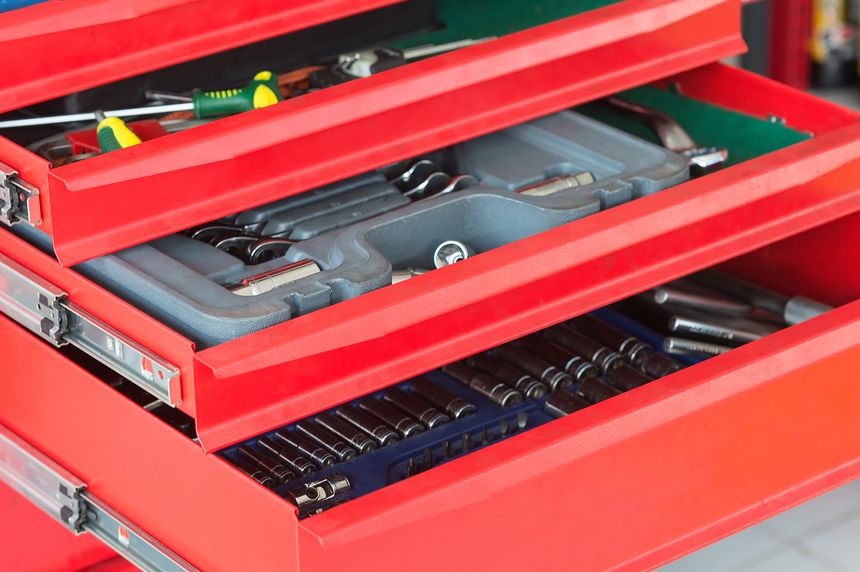
In detail, this case relates to automated asset management systems for keeping track of physical tools, such as a socket wrench, by automatically generating and updating a database of tool data using image-based sensing. In essence, the invention relates to a roller cabinet ("roll cab") which includes an imaging compartment including cameras for monitoring the tools stored in the drawers of the roll cab.
The Examining Division initially refused the application for a lack of inventive step. Their view was that the differentiating features, which included associating a recognized tag with its specific location in a storage unit and updating a database, were fundamentally non-technical.
The Examining Division argued that creating these associations was merely an “administrative decision” devoid of technical considerations, meaning the invention simply automated an administrative task.
However, the Board of Appeal disagreed in T 1191/23. The Board found that the “location of a tag” is obtained with respect to a captured image, making it a technical feature rather than an administrative one. The Board also found that associating this physical location with “positions of identified silhouettes of the storage locations” and subsequently updating the database inherently possesses technical character.
The Board noted that the differentiating features provided an efficient, accurate, and quick way to improve the physical registration process of tools within the system.
Features which do not possess technical character are not usually taken into account when assessing inventive step. Since the Board of Appeal disagreed with the Examining Division that the differentiating features possessed technical character, the case was remitted to the Examining Division. The case subsequently proceeded to grant.
This decision is a strong reminder that just because a system updates a database or creates data "associations", which might superficially sound like merely an “administrative” task, the context, origin, and purpose of data matter deeply. When data corresponds to physical and/or spatial parameters extracted using a technical means (in this case, by an “image-based sensing system”) and the purpose is to improve a physical system's asset tracking or operational capability, it likely possesses technical character.
This article is not to be construed as legal advice.
T 1191/23: The Board does not agree with the examining division that the distinguishing features merely automate an administrative decision


/Passle/6130aaa9400fb30e400b709a/MediaLibrary/Images/2026-10-09-10-06-02-856-6ac8bc8a8b2b824748858593.png)
/Passle/6130aaa9400fb30e400b709a/SearchServiceImages/2026-10-08-09-16-14-047-6ac75f5e6e2df5357ce24fc9.jpg)
/Passle/6130aaa9400fb30e400b709a/SearchServiceImages/2026-10-08-08-54-19-301-6ac75a3bd24614eebffad63d.jpg)