“Brain rot” was the Oxford Word of the Year 2024 and according to the Oxford English Dictionary is defined as “A perceived loss of intelligence or critical thinking skills… [due] to the overconsumption of unchallenging or inane content or material”.
Although many of us are familiar with this term and closely associate it with watching short videos on social media, more recently, sub-genres of brain rot have emerged which are facilitated by artificial intelligence.
“Italian Brainrot” is one of these sub-genres and was the topic of conversation on a recent episode of “The Rest is Entertainment” podcast, with the podcast hosts noting that half the listeners would be sighing at the thought of listening about brain rot and the other half of listeners would be going “Huh?”.
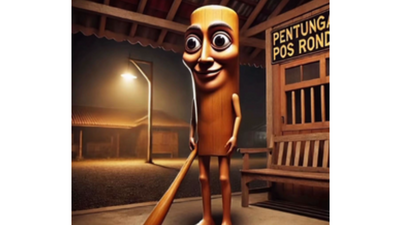
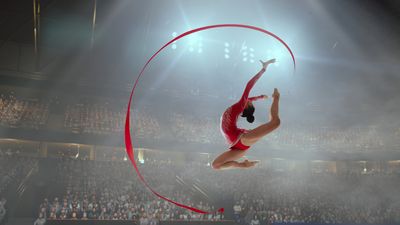
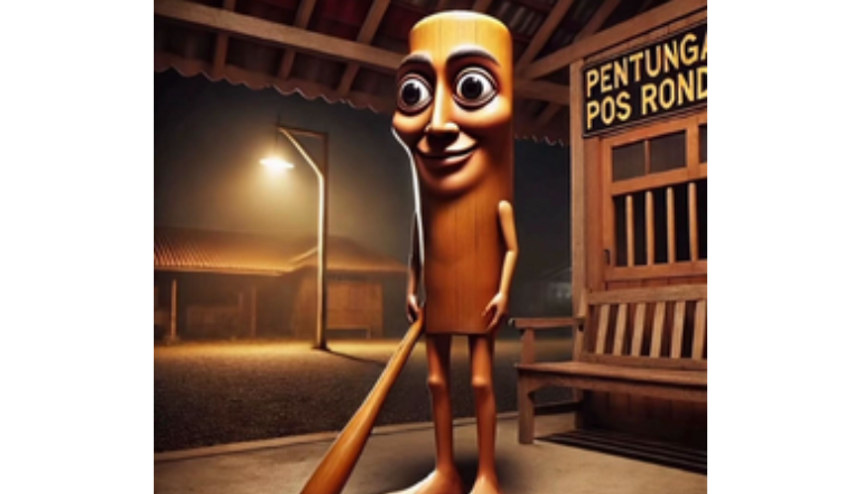
Italian Brainrot features absurd hybrid creatures with exaggerated Italian-sounding names, such as Ballerina Cappuccina (a dancing cup of coffee) and Bombardino Crocodilo (a plane with a crocodile head), but perhaps the most famous of all is Tung Tung Tung Sahur, also known as “Triple T”.
Tung Tung Tung Sahur was reportedly created in 2025 using OpenAI's DALL-E image generation system by an Indonesian TikTok creator, Fernanda Bagas Indrastata, also known as "Noxa" online. Although the character originated in Indonesia, it rapidly became associated with the wider Italian Brainrot movement.
The origin story itself is remarkably straightforward. By some accounts, the final image was generated after only seven prompts and approximately fifteen minutes of experimentation. Yet despite its relatively modest beginnings, the character has achieved extraordinary popularity. Images and videos featuring Tung Tung Tung Sahur have been shared by hundreds of thousands of users, spawning fan-created variations, stories, animations and memes. The character's popularity has grown to such an extent that it has been a playable character “skin” in Fortnite and has appeared in Roblox experiences such as Steal a Brainrot.
What began as a single AI facilitated image has therefore evolved into a work with potentially high commercial value, and has subsequently raised the question of who may own and benefit from any intellectual property rights?
In the United States, this question is being considered in the case of Spyder Games LLC v Mementum Lab. Mementum Lab, a French licensing and creative agency representing Noxa, has asserted intellectual property rights in Tung Tung Tung Sahur and has reportedly entered into licensing arrangements concerning the character. Following receipt of a cease-and-desist letter from Mementum, Spyder Games, the creator of Steal a Brainrot, has sought a declaration from the court that U.S. copyright and trade mark law could not be used to prevent others from using the character.
At the heart of the dispute is a familiar argument in AI facilitated copyright cases. U.S. copyright law generally requires human authorship. Spyder Games argues that because the character was generated by AI, it lacks the necessary human authorship required for copyright protection and therefore does not enjoy copyright protection.
However, the story may not end with the creation of the original image. Many of these brain rot characters derive their commercial value not from an initial image but from the extensive body of fan-created works that subsequently emerge. Characters are modified, animated, expanded into stories, adapted into games and incorporated into wider fictional universes.
Different intellectual property rights may subsist in different elements of the overall phenomenon. Even if the original image enjoys some, little, or no copyright protection, substantial adaptations may themselves qualify for copyright protection. A fan-created animation, storyline or 3D model may therefore attract separate copyright ownership despite being based on an initially AI facilitated character.
Further, copyright may be only part of the picture. Given that many brain rot characters derive their value from their visual appearance, unregistered design rights or industrial copyright may also be relevant when AI facilitated works are produced. Equally, the commercial exploitation of the characters may result in trade mark rights subsisting in those characters and character names, and ownership of those trade mark rights may not necessarily mirror ownership of any copyright and design rights in the characters.
The result can be a highly fragmented ownership landscape where multiple parties potentially own rights in different aspects of the same cultural phenomenon.
The commercial success of characters such as Tung Tung Tung Sahur demonstrates that AI-generated content can acquire enormous value in a remarkably short period of time. Yet the legal framework governing ownership remains uncertain.
As the use of AI continues to grow, the legal landscape in copyright and designs will too. It will certainly be interesting to see how different jurisdictions handle ownership rights of AI facilitated works.
If you have any questions regarding designs, copyright, patents, or trade marks please contact us.
Image credit: Tung Tung Tung Sahur (By noxaasht - TikTok, Public Domain, https://commons.wikimedia.org/w/index.php?curid=165090878)
Subscribe to receive more articles like this here.