
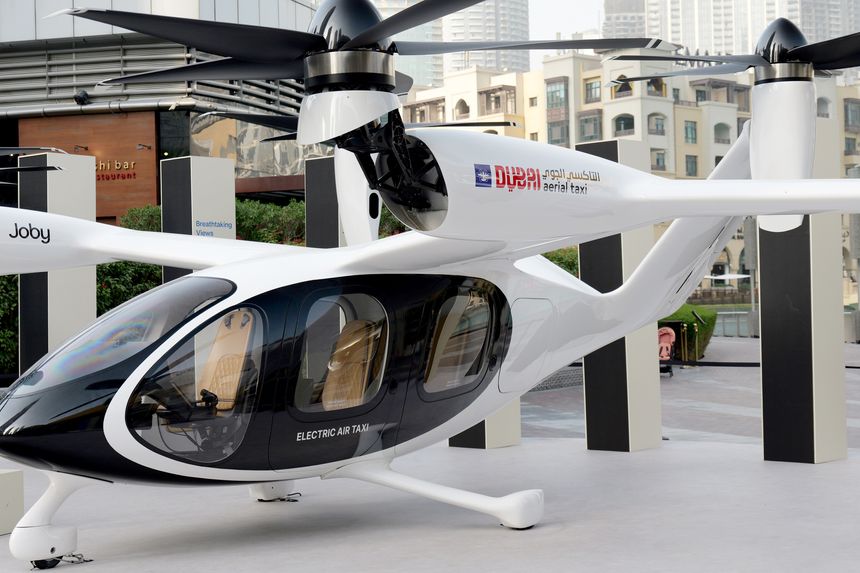
Recent litigation between Archer Aviation and Vertical Aerospace provides a useful snapshot of how intellectual property issues are beginning to shape the eVTOL industry. Archer alleges that Vertical’s newly unveiled “Valo” aircraft infringes two of its design patents and a utility patent. In recent court filings, Vertical has asked for the lawsuit to be dismissed, branding Archer's claims “threadbare”.
From a legal perspective, the dispute neatly illustrates the distinction between registered design infringement and patent (utility) infringement. Registered designs (or design patents in the US) protect the visual appearance of a product rather than how it works. By contrast, patents (utility) protect the technical features of an invention. It is common for both registered design and patent protection to be obtained for a single product.
Beyond the legal merits, the dispute is notable as part of a broader trend:
- The eVTOL sector is currently seeing increasing litigation, including patent and trade secret disputes between multiple leading players such as Archer, Joby and others;
- This escalation of IP enforcement activity is consistent with a sector moving from early-stage R&D toward commercialisation, where protecting differentiation, and investor value, becomes critical; and
- As designs converge around similar aerodynamic and regulatory constraints, the boundary between functional necessity and protected design is likely to be increasingly contested, making disputes of this nature more common.
Overall, while the outcome of this dispute remains to be seen, the very existence of such litigation is a strong indicator that the eVTOL market is transitioning into a more mature, competitive phase in which IP rights are actively asserted.
Vertical Aerospace has asked a US court to dismiss the US patent infringement lawsuit filed against it by Archer Aviation, branding its rival’s claims as “threadbare allegations”.

/Passle/6130aaa9400fb30e400b709a/SearchServiceImages/2026-10-08-09-16-14-047-6ac75f5e6e2df5357ce24fc9.jpg)
/Passle/6130aaa9400fb30e400b709a/SearchServiceImages/2026-10-08-08-54-19-301-6ac75a3bd24614eebffad63d.jpg)
/Passle/6130aaa9400fb30e400b709a/SearchServiceImages/2026-10-08-09-03-22-078-6ac75c5aef19e2775edf9165.jpg)