
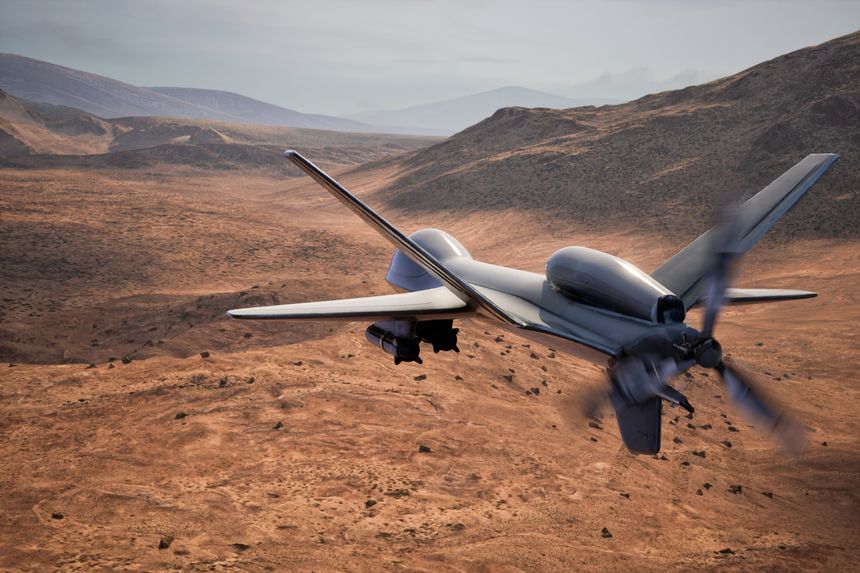
The UK Ministry of Defence (MoD) is seeking to close a significant “drone gap” in its armed forces, creating opportunities for developers of advanced drone technologies. With defence spending set to rise to 2.6% of GDP by 2027 and a strategic focus on autonomous systems, innovators can position themselves for lucrative contracts by aligning with MoD priorities: rapid adaptability, integration into existing operations, and domestic production. There is a desire to “buy local”, and global companies are establishing UK-based manufacturing facilities to better tap into this, as demonstrated by German start-ups Helsing and Stark, which have invested heavily in UK factories to meet procurement requirements.
However, competition is fierce, and technology evolves rapidly. To maintain a competitive edge, protecting your intellectual property (IP) through patents is critical. Patents safeguard unique designs and innovations, ensuring developers retain control over their technology and can leverage it in negotiations. They also enhance credibility, attract investment, and help prevent disputes in a sector where proprietary advancements—such as autonomous navigation or strike capabilities—are key differentiators.
If you are working on new drone technologies, please get in touch to see how we can help you protect your intellectual property with patents, designs and trademarks.
“There is a significant drone capability gap in the UK Armed Forces which needs to be closed fast if we want to have a credible force,”

/Passle/6130aaa9400fb30e400b709a/SearchServiceImages/2026-04-02-06-54-46-395-69ce12b6765ae4778cc07d20.jpg)
/Passle/6130aaa9400fb30e400b709a/SearchServiceImages/2026-04-01-20-57-55-819-69cd86d3705f46f2d4c868f5.jpg)
/Passle/6130aaa9400fb30e400b709a/SearchServiceImages/2026-04-01-14-51-37-115-69cd30f92f273dfa89068159.jpg)