
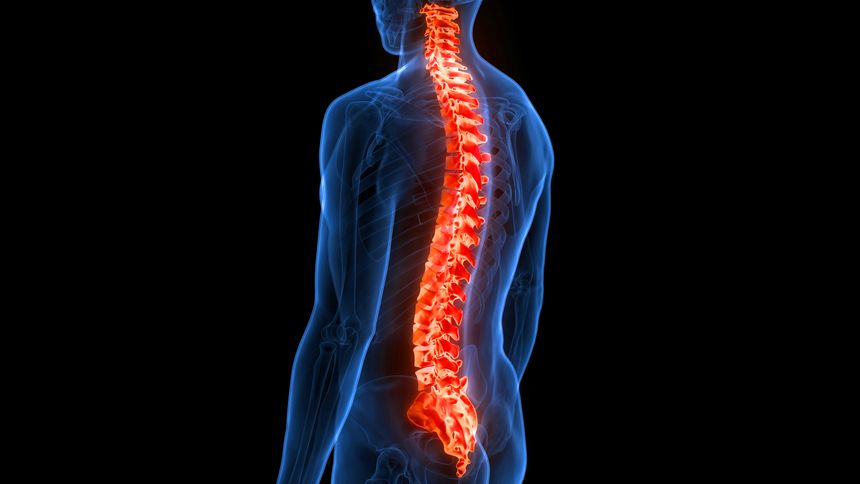
Spinal fusion surgery is a tricky business. Two spinal vertebrae are fused together using a bone graft, and metal components hold the bones in place. In the past, it was necessary to monitor healing using X-rays, requiring patients to make in-person visits and be subjected to radiation.
Researchers at the University of Pittsburgh are developing implants using technology previously used to monitor bridges. The team is interweaving conductive and non-conductive materials to create structures that harvest energy and transmit signals when pressure is applied to them. “If the spine is healing, the bone starts carrying more of the load and the implant’s self-generated signal naturally drops,” said Professor Alavi.
Medical devices of this type are patentable in most jurisdictions around the world. At the European Patent Office, patents cannot be granted for “diagnostic methods practised on the human or animal body.” However, this exclusion applies only to methods, and not to medical devices. Therefore, the exclusion would not prevent the patenting of a device of this type, provided the device meets other requirements including novelty and inventive step.