
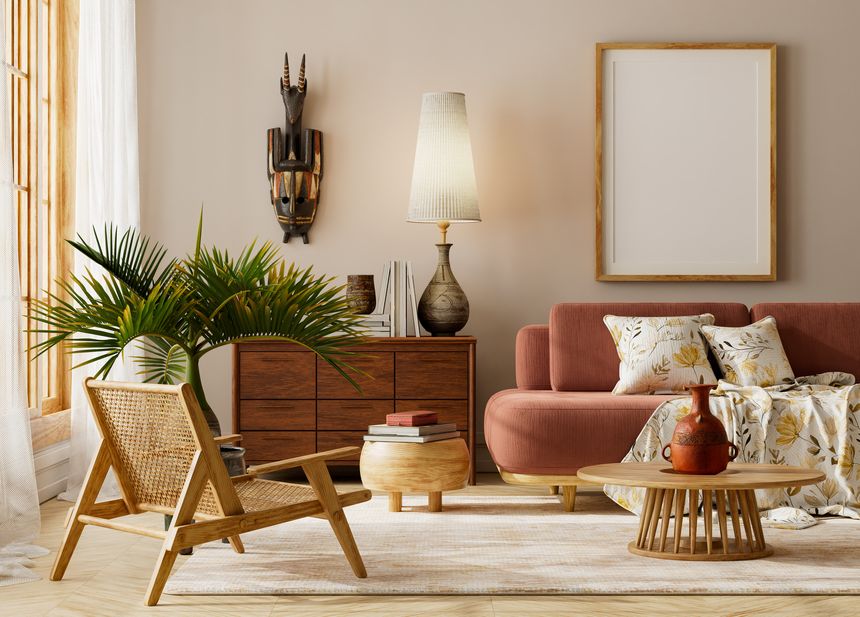
As the Manchester Furniture Show returns on 5–6 July, it will once again bring together designers, manufacturers and retailers to celebrate furniture design. Beyond the displays and deal-making, however, the event also provides an opportunity to reflect on the legal landscape that underpins and protects creative design.
Within the past year, this landscape has been clarified by a significant Court of Justice of the European Union (CJEU) ruling in Mio/Konektra. The decision, which arose from disputes over furniture designs elaborates on how registered design rights and copyright can co-exist and the different criteria for assessing the originality of works of applied art and for assessing copyright infringement.
In Mio/Konektra the Court confirmed that furniture and other utilitarian objects can be protected by copyright, provided they meet the same standard applied to any artistic work, originality.
Originality exists where a work reflects the author’s personality. While similarity to an earlier work may suggest limited originality, this is less decisive in applied art, including furniture, where functional constraints can lead to independent parallel creations. If such independent creation is established, both works may still be considered original.
A work that varies from an earlier creation may also qualify for copyright protection as an “inspired work”, provided it does not reproduce the earlier creation’s creative elements but instead reflects the author’s own free and creative choices.
For designers showcasing at Manchester, this is significant. It means that a chair, table or storage system is not necessarily excluded from copyright protection simply because it is functional. What matters is whether the designer has exercised genuine creative freedom in shaping its appearance.
One of the most important aspects of the judgment is its clarification that design protection and copyright protection are separate, independent regimes.
Design rights (registered or unregistered) focus on whether a design is new and has individual character, while copyright focuses solely on originality assessed through creative expression.
The judgement emphasised that there is no hierarchy between the two systems. Instead, they can coexist, sometimes protecting the same product in different ways.
This distinction is particularly relevant in the fast-moving furniture sector, where product lifecycles are short but brand identity and design style endure.
The practical takeaway is that designers do not have to choose between the two systems. They can often rely on both to create a layered and robust protection strategy.
The decision also refines how courts should assess copyright infringement. The key issue is whether the creative elements reflecting the author’s personality have been reproduced in a recognisable way.
For exhibitors and manufacturers alike, this raises the bar when developing competing products and emphasises the importance of respecting underlying creative choices and keeping a record of the design choices made.
Ultimately, the ruling reinforces a broader message: furniture design sits at the intersection of function and creativity, and the law increasingly recognises and protects both.
As visitors explore the latest collections in Manchester this July, they are not just viewing products, but the outcome of creative effort that may be protected through multiple layers of intellectual property rights.
I will be attending the Manchester Furniture Show and look forward to speaking with designers about the creative ideas behind their work and the intellectual property rights that can help protect it.
To find out more about how our Designs team helps businesses protect, commercialise and enforce their design rights, visit our Designs page.
Subscribe to receive more articles like this here.

/Passle/6130aaa9400fb30e400b709a/MediaLibrary/Images/2026-10-09-10-06-02-856-6ac8bc8a8b2b824748858593.png)
/Passle/6130aaa9400fb30e400b709a/SearchServiceImages/2026-10-08-09-16-14-047-6ac75f5e6e2df5357ce24fc9.jpg)
/Passle/6130aaa9400fb30e400b709a/SearchServiceImages/2026-10-08-08-54-19-301-6ac75a3bd24614eebffad63d.jpg)