
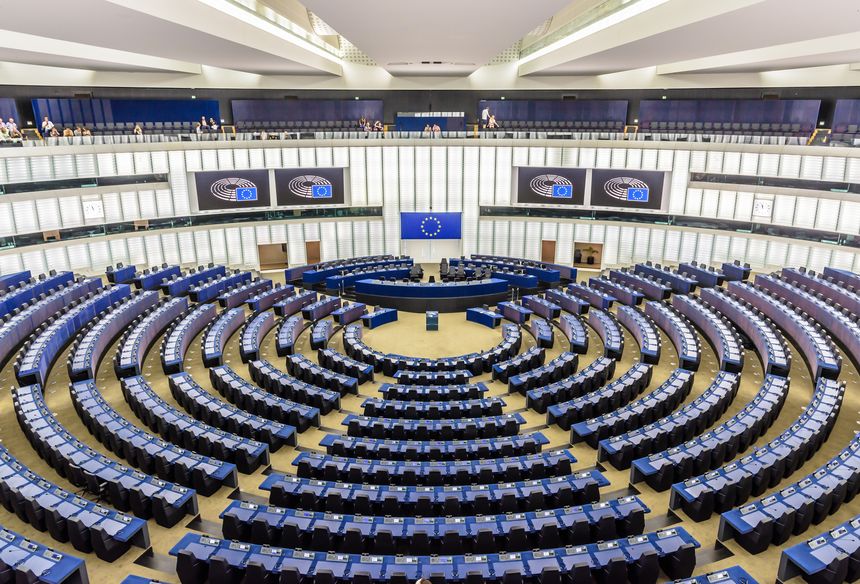
The European Parliament has voted to sue the European Commission following its controversial withdrawal of proposed standard-essential patent (SEP) regulations. The lawsuit, supported by a 52.4% majority in a plenary vote, challenges the Commission’s February 2025 decision to pull the reform plans, which had been under development for two years.
Reflecting on the legal weight of this challenge in World IP Review, Matt Pinney highlights the critical judicial precedent at play. He points to the 2015 CJEU case (C-409/13), which established that while the Commission has the power to withdraw proposals, it must do so with "cogent evidence" that is "amenable to judicial review".
However, Matt remained cautious about the practical impact of a potential legal victory for the Parliament. Even if the court rules in the Parliament's favour, he notes that the fundamental disagreements among Member States that stalled the regulation in the first place are likely to persist, making the actual adoption of the SEP framework an uphill battle.
The full piece can be found via the link below.
Commenting for WIPR, Pinney added that the Commission “withdrew the Proposal for a Regulation on Standard Essential Patents due to ‘no foreseeable agreement’ and its explanation will need to meet this requirement set out in the 2015 decision. “Even if the CJEU ruled in favour of the European Parliament, it is difficult to see how Member State disagreements, which stalled the proposed reforms, will have dissipated such that an agreement could be reached on the proposed SEP regulation in its current form.”

/Passle/6130aaa9400fb30e400b709a/SearchServiceImages/2026-04-02-06-54-46-395-69ce12b6765ae4778cc07d20.jpg)
/Passle/6130aaa9400fb30e400b709a/SearchServiceImages/2026-04-01-20-57-55-819-69cd86d3705f46f2d4c868f5.jpg)
/Passle/6130aaa9400fb30e400b709a/SearchServiceImages/2026-04-01-14-51-37-115-69cd30f92f273dfa89068159.jpg)